Man with a van in Aldersbrook
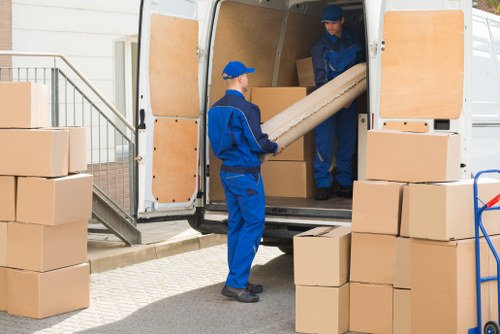
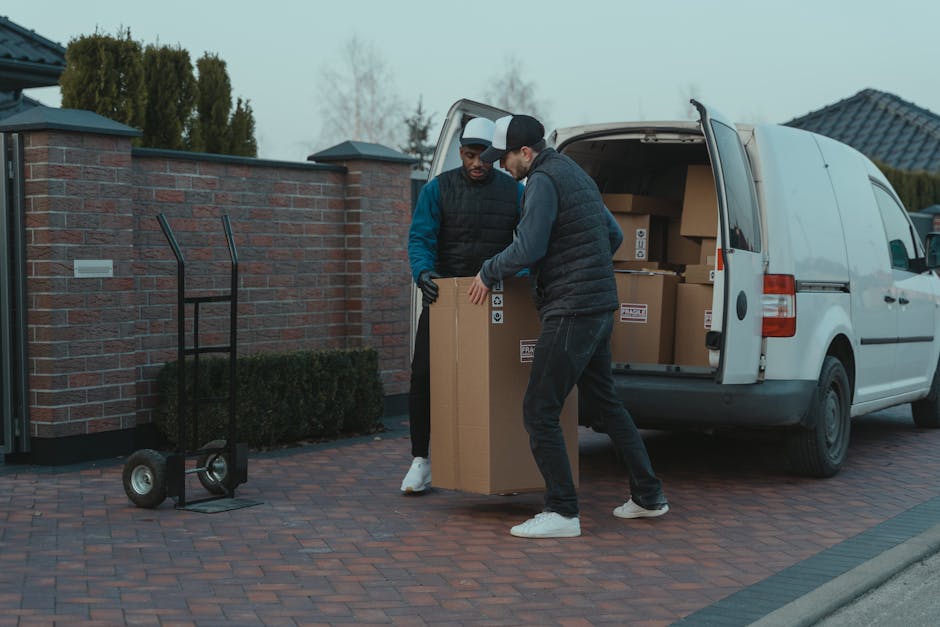
We provide man with a van in Aldersbrook for household moves, furniture transport, and practical removal work that needs a careful hand as well as a suitable vehicle. The service is built around moving items safely, loading them with proper attention, and making collections or deliveries more manageable when you have more than a car can carry but do not need a full-scale removals operation. That makes it a straightforward option for people who want support with specific jobs rather than a one-size-fits-all package.
Our work can suit single bulky items, small flat moves, room contents, and mixed loads where furniture, boxes and household effects all need to travel together. We can also help with commercial items, packing support and furniture pick-up when the job is best handled by a flexible vehicle and practical labour. Pricing and quotes is the best place to start if you want to compare the shape of your move and request a quotation based on the details you provide.
For a smoother arrangement, it helps to know what is going, where it needs to be collected from, and whether there are any access points that matter such as stairs, narrow entrances or limited parking. A clear list of items makes planning simpler, while photographs can help when the load includes awkward shapes or fragile goods. Keep the booking specific and you will usually get a more useful response than by describing everything in general terms.
House moves and smaller domestic removals
House moves vary widely, and a man with a van service can be a good fit when the scale is modest but the items still need professional handling. That may include beds, wardrobes, kitchen contents, boxed belongings, white goods or a partial move between homes. Our domestic removals are intended for customers who need sensible support without booking a large vehicle for a small load. The emphasis is on careful loading, efficient use of space, and a practical approach to moving items in the right order.
For many domestic jobs, the main decision is not whether the items can be moved, but how they should be grouped and prepared. Breakable pieces may need extra wrapping, furniture may need to be disassembled in advance, and heavier items may need a plan for safe lifting. If you are moving only part of a property, we can work around the items you want to keep in place and concentrate on the rooms or pieces that are actually leaving.
Our home moves page gives a closer look at the sort of domestic work we handle, while the house removals page is useful if you want a broader view of household moving options. Some customers only need transport for a few pieces, while others want help with an entire household load; either way, the focus remains on an organised move that suits the volume involved. If you are ready to take the next step, ask for a quote in plain terms.
Furniture pick-up and item transport

Not every booking is a full move. Sometimes the need is simply to collect a sofa, table, wardrobe, appliance or other bulky piece from one address and take it safely to another. That is where a man with a van is especially useful, because the job can be scaled to the item rather than forcing the item into an unsuitable plan. Furniture pick-up work is often about timing, handling and access rather than distance alone.
This type of transport can suit purchases from private sellers, second-hand furniture collections, local deliveries and relocation of items within a home or business. The most useful information is usually the dimensions or type of item, whether it needs dismantling, and whether there are any access restrictions at either end. When you know whether a lift is involved, whether the item is heavy, and whether it needs protection in transit, it is easier to work out the right approach.
If your job is closer to an isolated collection than a move, describe it that way when you request a quotation. You do not need a long explanation; a concise description of the item, the collection point and the destination is enough to begin. A clear list helps us advise on the most suitable vehicle and the amount of labour likely to be involved, so short facts are often better than broad claims.
Commercial moves and office relocation support
We also assist with commercial moves where the load is more structured and time matters because business operations need to keep moving. That might include desks, chairs, filing items, stock, equipment or archive materials that must be transferred carefully and in a sensible order. A man with a van can be a practical choice for smaller office relocations, branch transfers, storage runs and business collections that do not call for a full removal fleet.
Office work usually benefits from planning that separates essential items from non-urgent ones. It is often helpful to identify what must be moved first, what can be packed separately, and what requires careful handling because of size or content. If there are access constraints, lift restrictions or equipment that should not be tipped or stacked, those points should be included before the day of the move. That makes it easier to organise the load around the actual workspace rather than around guesswork.
For more detailed business moving information, visit our office relocation services page or the broader commercial moves page. Those pages are useful if your move involves a mix of furniture and operational items, or if you want to compare the kind of support available for different business scenarios. If the move is straightforward, a concise enquiry is usually the best way to begin.
What the service can include
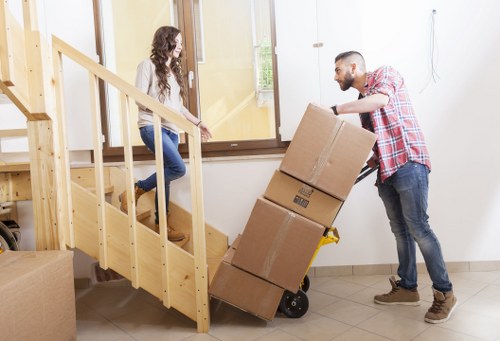
A man with a van service is often chosen because it combines transport with loading help in a way that feels flexible and efficient. Depending on the job, that can mean lifting, carrying, loading, unloading, and positioning items where they belong. It can also mean handling a small number of pieces that are too bulky for ordinary vehicle transport. The aim is not to overcomplicate the move, but to match the service to the scale of the task.
Typical jobs may include moving a few boxes, a bed frame, office chairs, a washing machine, or several items from one address to another. Some customers need direct point-to-point transport; others need support with collections from storage, shops, sellers or rented premises. If items need to be wrapped or dismantled, that should be stated early, because it affects how the move is planned and what tools or preparation are sensible.
Our moving van and moving truck pages can help if you want to understand vehicle-oriented moving options in more detail. Where the most suitable choice depends on the size of the load, it is worth thinking about the actual volume rather than the number of rooms or boxes alone. Practical planning matters because the correct transport choice can save unnecessary handling and reduce the risk of a poorly organised move.
Packing, protection and the way items are prepared
Packing is one of the most important parts of any move, especially when furniture, fragile items and mixed household goods are travelling together. Our packing and unpacking services page outlines support that can be useful when customers want help getting items ready or settling them in at the other end. For many jobs, packing does not have to be elaborate, but it should be deliberate enough to keep loose items together and to protect delicate surfaces.
Preparation can also include simple dismantling, wrapping corners, securing drawers, or making sure anything loose is placed where it will not shift during transport. When a customer shares these details early, it is easier to judge whether a job is best handled in one trip or whether it needs to be separated into stages. A thoughtful approach is especially important with awkward furniture, antiques, or mixed loads that contain both sturdy and delicate pieces.
If you are uncertain what to prepare yourself, a quotation request can still be useful. Give the main item list and mention anything you think may need extra attention. That is often enough to decide how the move should be handled without making the enquiry unnecessarily complicated. In many cases, a simple item-by-item outline is the most efficient starting point.
Choosing the right van for the job
Vehicle choice matters because not every move has the same amount of space, weight or loading complexity. Some jobs need a compact option for one or two pieces, while others work better with a larger van that can take several items in one journey. A sensible choice depends on the volume, the size of furniture, and whether the load is easy to stack. It is better to match the van to the actual contents than to assume a standard size will suit every move.
When planning transport, think about how items fit together, whether they can be secured safely, and whether any pieces should travel separately. Tall wardrobes, long tables and fragile glass items may need a different arrangement from boxes and soft furnishings. If your move includes both furniture and smaller belongings, mention that mix clearly. The goal is to reduce avoidable handling and keep the load stable throughout the journey.
Relevant service information is also available on our removal van and removal truck hire pages, which may help if you are comparing vehicle-led moving options. If you already know the basic scale of the job, you can request a quotation and let the details determine the best fit. There is no need to overstate the load; accuracy is more useful than volume guessed in haste.
About Aldersbrook
Aldersbrook is a residential district in east London, closely associated with Wanstead and the wider London Borough of Redbridge, although its character also reflects the neighbouring open spaces and transport corridors that shape this part of the city. The area is best known for its largely suburban streets, interwar and later housing, and proximity to Wanstead Park, a historic landscape with lakes, woodland and former estate features. The park forms an important green setting and gives the district a strong connection to the wider history of the Wanstead estate, whose grounds were gradually altered as London expanded. Nearby, the River Roding and the network of open spaces in the Lea Valley add to the sense that Aldersbrook sits near a meeting point between built-up neighbourhoods and greener eastern London landscapes.
Access, loading and practical details

For removal work, access can be as important as the contents themselves. Steps, tight stairwells, lift dimensions, doorway widths and parking arrangements can all affect how a move is carried out. If items need to travel from upper floors or from properties with limited access, that should be mentioned in the quotation request so the job can be assessed sensibly. The same applies where items must be carried a longer distance from the property to the vehicle.
It is also useful to say whether anything will already be disassembled, whether there are fragile finishes, and whether the load includes heavy pieces that cannot be lifted casually. Where a move is split between several locations, identify each point clearly and say what is going from where to where. That keeps the moving plan practical and avoids confusion when the work is scheduled. Good information can save unnecessary back-and-forth later on.
For direct help with a move or collection, the simplest next step is to ask for a quotation and describe the load as plainly as possible. You can also use our removal services page if you want a broader overview of what we do. If you already know the type of job, a short message is enough to begin.
Man and van removals for flexible local work
Many customers prefer a man and van removals service because it gives them a balance of transport and labour without making the job feel overbuilt. It can suit flat moves, student moves, partial house removals, storage transfers and one-off collections where the load is moderate but still too awkward for a car. Because the approach is flexible, it can be adapted to the content of the job rather than forcing the job into a fixed template.
Our man and van removals page is a useful reference if you want to see how this style of move fits different circumstances. Some people use it for straightforward transport; others use it when they need help carrying and loading as well. The most important point is to keep the description accurate, because the way a move is organised should reflect the actual contents, access and distance involved.
When you are ready to make contact, ask for a quote in a direct sentence and include the main facts only once. Clear, specific details help more than long explanations. You do not need to justify the move or add extra background; just say what needs moving and where it needs to go.
About quotations and how to request one

A good quotation starts with the basics: what needs moving, how much there is, where it is going, and whether any access issues could affect loading or unloading. If the load includes furniture, boxes or mixed household goods, name the main items and mention anything that is awkward, heavy or fragile. If the move is commercial, identify the equipment or materials involved and whether they need special care. These small details make it easier to assess the work properly.
We do not need a long story to produce a useful response. In most cases, a concise enquiry is enough if it covers the item list, collection point, destination and any important restrictions. A picture can sometimes help when the item is unusual, but written details still matter because they set out the job in a practical order. If you are comparing different moving options, you can also use the removals page for a wider view of the service range before you ask for a quotation.
To get started, send the essential information and ask for a price based on the work described. You can keep it brief, or you can include a little more detail if the move involves delicate items or access considerations. Either way, the next step is straightforward: request a quotation and let the job details do the talking.