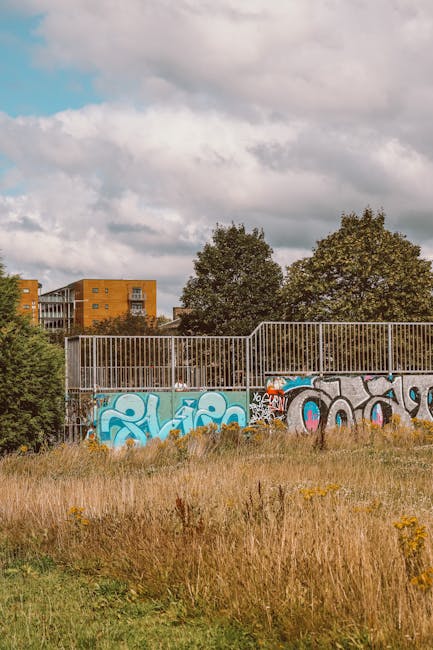
Moving Near Wanstead Flats? Aldersbrook drop-off tips
If you're moving near Wanstead Flats, the last thing you want is a delivery van circling the block, a sofa stuck halfway through a doorway, or a parking decision that turns a calm morning into a mildly chaotic one. That's exactly why Moving Near Wanstead Flats? Aldersbrook drop-off tips matter. A smart drop-off plan keeps your move safer, quicker, and far less stressful, especially in a part of East London where roads, resident bays, access points, and foot traffic can all affect the job. The best moves usually look simple from the outside. In reality, they're planned. Carefully.
In this guide, you'll find practical drop-off advice for Aldersbrook and the Wanstead Flats edge, plus route-planning ideas, loading strategies, and a few local-sense checks that can save you time on moving day. Whether you're using a man with a van in Aldersbrook, arranging a full house removals service in Aldersbrook, or just trying to get a mattress off the van without blocking the pavement, there's something useful here.
Quick takeaway: the best drop-off plan is not just about where the van stops. It's about where the goods go, who carries what, how long the stop takes, and how well you've prepared the route from vehicle to front door.
Table of Contents
- Why this kind of drop-off planning matters
- How the drop-off process works in practice
- Key benefits and practical advantages
- Who it's for and when it makes sense
- Step-by-step guidance for a smoother drop-off
- Expert tips for better results
- Common mistakes to avoid
- Tools, resources and recommendations
- Law, compliance, standards and best practice
- Options, methods and comparison table
- Case study or real-world example
- Practical checklist
- Conclusion
- Frequently asked questions
Why Moving Near Wanstead Flats? Aldersbrook drop-off tips Matters
Drop-off planning sounds small until you're doing it in real life. Then it becomes very obvious very quickly. Around Aldersbrook and the Wanstead Flats edge, moving can involve narrow residential streets, parked cars, shared access, and people walking dogs, pushing prams, or commuting through the area. That mix means a careless stop can create unnecessary risk and delay.
Good drop-off planning matters for three main reasons. First, it helps protect your belongings. A table landed on damp ground, a washing machine dropped too close to a kerb, or a mattress dragged over rough paving can all cause avoidable damage. Second, it reduces safety issues for everyone involved. Heavy lifting on a tight street is where small mistakes become pulled backs, scratched doors, and awkward near-misses. Third, it makes the move feel manageable. And let's face it, that calm feeling is worth a lot on moving day.
There's also a practical local angle. If you need short, efficient handling rather than a long full-day operation, a service such as same-day removals in Aldersbrook can be a useful option. But whether the move is large or modest, the drop-off point is still the part that often determines how smooth the rest of the day feels.
Think of it this way: the van can only do so much. The final 20 metres from vehicle to door are where efficiency is won or lost. It's the bit people underestimate, every time.
How Moving Near Wanstead Flats? Aldersbrook drop-off tips Works
At a practical level, a good drop-off setup is a small chain of decisions. You choose where the van can stop safely, how the items will be unloaded, where each item goes first, and how the path to the property will be kept clear. Simple in theory. Slightly less simple with a wardrobe in one hand and a hallway gate in the way.
The process usually starts before the van arrives. You check access, think through parking, identify the safest unloading side, and decide whether items should go directly into the property, into a hallway staging area, or into storage in Aldersbrook first. That final point matters more than many people realise. Some moves are not about immediate unpacking. They're about controlled placement.
If you're moving larger pieces, the drop-off plan also needs to match the item itself. A piano is not a shelf. A freezer is not a lampshade. Beds, sofas, and office furniture all behave differently once they leave the van. For specialist items, it helps to read up on the relevant process, such as why self-moving a piano can go wrong or practical advice on moving beds and mattresses safely.
The best drop-off tips are really about sequencing:
- park in the most sensible legal spot
- open access to the property before unloading begins
- move bulky items first while everyone has energy
- place each item where it won't block the next delivery
- keep boxes and loose items grouped, not scattered everywhere
That's the backbone of it. The rest is the human side: keeping people informed, avoiding rush, and not pretending the back of the van is more organised than it really is. Truth be told, most unloading problems begin with a very optimistic first five minutes.
Key Benefits and Practical Advantages
A properly planned drop-off brings real benefits, and they aren't just about speed. They affect safety, cost, stress, and the condition of your possessions. In a local move near Wanstead Flats, those advantages can be the difference between a tidy afternoon and a whole day that drifts off course.
1. Faster unloading. When everyone knows where the van will stop and where each item is going, there's less hesitation. That saves time, which is especially useful if you're booking a limited-slot service or juggling building access.
2. Lower risk of damage. Less carrying distance means less chance of bumping walls, railings, or door frames. It also means less repeated handling of fragile or awkward items. If you're moving furniture, the right planning is just as important as the lift itself, which is why many people review furniture removals in Aldersbrook before moving day.
3. Less physical strain. Unloading is tiring. Even a short move can involve repeated lifting, turning, and stair work. Good sequencing reduces the chance of someone trying to "just carry one more box" with a bad grip. We've all been there, and it usually ends with a grimace.
4. Better protection for neighbours and passers-by. Careful drop-off planning keeps walkways usable and avoids awkward blockages. That is especially helpful in residential pockets where everyone is trying to get on with their day.
5. More control over the move. People often feel calmer when the unloading point is clearly defined. You can see the plan. You can trust the plan. Small thing, big difference.
There's a commercial side too. If you're comparing providers, check not only transport and labour, but also whether they explain the unloading process clearly. A reliable team will usually be happy to talk through route access, handling order, and any awkward items. You can also look at the broader range of removal services in Aldersbrook to match the job to the support you actually need.
Who This Is For and When It Makes Sense
This kind of drop-off planning is useful for almost anyone moving into or out of the Aldersbrook area, but it's especially important for a few groups.
- Home movers dealing with mixed loads of boxes, furniture, and appliances.
- Flat movers where stairwells, lifts, and shared entrances make timing more sensitive.
- Students who need a compact, efficient setup and may be moving on a tight schedule.
- Office movers handling desks, screens, chairs, and files that need structured unloading.
- People with one or two awkward items such as a piano, freezer, or oversized sofa.
If you're moving from a flat or into one, the handling plan becomes even more important. That's because the space between van and front door is often more complicated than the inventory itself. A smart move there might include flat removals in Aldersbrook, while larger family moves usually fit better under house removals in Aldersbrook.
It also makes sense if you're doing a partial move or a quick clear-out and just need a vehicle to arrive, unload, and disappear without drama. That sounds simple, but the logistics still need attention. If you're in a rush, using a local removal van in Aldersbrook can help keep things efficient, provided the drop-off point is sorted in advance.
To be fair, if the move is tiny, you may not need much more than a van and a couple of careful hands. But as soon as you add stairs, awkward parking, or heavier items, the value of good drop-off advice jumps up fast.
Step-by-Step Guidance
If you want the move to feel controlled rather than improvised, this is the sequence I'd recommend.
- Check the access first. Walk the path from street to front door. Look for steps, narrow gates, low branches, uneven paving, or anything that could slow carrying. If it feels awkward on foot, it'll feel worse with a wardrobe.
- Confirm the stop point. Decide where the vehicle can pause without blocking traffic, driveways, or pedestrian space. If the area is tight, aim for the shortest safe carry rather than the most convenient-looking spot.
- Sort the load before arrival. Keep fragile items separate, heavy items grouped, and essential boxes easy to find. If you need packing support, packing and boxes in Aldersbrook can make the job cleaner from the start.
- Unpack the order in advance. Large items first, then bulky boxes, then light or flexible pieces. This is not glamorous, but it works. A good system beats enthusiasm every time.
- Protect the route. Use blankets, door protection, or floor covering where needed. A small bit of prep can prevent scuffs that you'll notice for weeks after.
- Place items with intent. Don't just put things "somewhere out of the way." Put them where they should go next. Hallway piles create bottlenecks.
- Review as you go. If the original plan is not working, adjust early. Don't wait until someone is stuck behind a sofa and everyone is pretending not to panic.
A tiny real-world moment here: on a damp morning, you'll feel every extra step and every awkward turn twice as much. If the van is parked a little too far away, the move suddenly starts to drag. That is why planning for the shortest sensible carry matters so much in this part of London.
If heavy lifting is part of the day, it's worth reading more about safe solo heavy-object lifting and the basics of good lifting technique. Sounds a bit technical, but really it's just about moving smart rather than bravely.
Expert Tips for Better Results
The best local moves usually come down to details that aren't obvious at first glance. Here are the tips that genuinely help.
- Pre-stage by room. If items are grouped by room in the van, you can place them in the right part of the property faster. The hallway stays clear and unpacking starts with less confusion.
- Keep one "priority lane" open. If there's a narrow hallway or landing, don't fill it with random boxes. Keep a clear route for the next load.
- Use soft protection early. Don't wait until a scratch appears. Blankets, wraps, and corner guards are far easier to use before things get crowded.
- Plan for awkward shapes. Sofas, mattresses, and long furniture pieces often need a slightly different angle than you expect. One wrong turn and suddenly you're negotiating a lamp, a wall, and a frustrated silence.
- Don't overload the first run. A rushed first trip tends to make the rest of the move messy. Start with the biggest and most fragile items if they set the tone for the room.
- Ask for a second pair of eyes. A quick look from someone not carrying anything often catches obstacles the lifter can't see.
If you're dealing with a sofa that needs storage rather than immediate placement, it's worth checking advice on storing a sofa securely. Likewise, if a freezer is heading out of use for a while, there's specific guidance on freezer storage solutions. Those little item-specific decisions save headaches later.
One more thing: if you feel rushed, slow the pace down by ten percent. It sounds counterintuitive, but it usually makes the whole move faster because there are fewer mistakes to correct. Funny how that works.
Common Mistakes to Avoid
Most moving headaches near Wanstead Flats are not dramatic disasters. They're little slips that snowball. Here's what to watch for.
- Ignoring parking reality. Assuming the van can stop exactly where you want it is a classic mistake. Streets are shared spaces, and access changes through the day.
- Starting unload before the route is clear. A box pile by the front door seems harmless until it blocks a sofa or slows the next carry.
- Mixing heavy and fragile items without order. That increases handling and increases risk. Keep them separated where possible.
- Underestimating the time required. Even small moves can take longer when access is awkward. Build in a little slack.
- Forgetting item-specific handling. A bed frame, a piano, and office chairs do not need the same approach. If in doubt, use specialist advice or ask the removals team.
- Not checking building rules. For flats and managed properties, access arrangements matter. If there's a lift booking, loading bay, or time window, respect it.
There's also a habit people fall into when moving locally: trying to do everything alone because the distance feels short. Short distance, yes. Light work, not always. If the object is bulky or the route is awkward, get help. It's simply not worth the risk. For more on that side of things, see the risks of self-moving a piano and the broader insight from organising a house move properly.
Tools, Resources and Recommendations
You do not need a warehouse of gear to make a drop-off work well. A few sensible tools and resources go a long way.
| Tool or resource | Why it helps | Best use |
|---|---|---|
| Furniture blankets | Protects items and walls during the carry | Sofas, wardrobes, tables, and white goods |
| Tape and labels | Makes placement and room sorting clearer | Boxes, bags, and grouped item sets |
| Door and floor protection | Reduces scuffs and accidental marks | Hallways, thresholds, and tight entry points |
| Straps and trolleys | Supports safer handling of heavier loads | Appliances, stacked boxes, and awkward furniture |
| Access notes or photos | Helps the team prepare before arrival | Parking, stair access, and narrow entrance routes |
For many people, the most useful resource is simply a clear conversation before moving day. If you're not sure what level of support you need, looking at the full services overview can help you compare options more calmly. If you want a deeper idea of how the business handles practical concerns, the about us page is a good place to start.
And if the move is time-sensitive, a quick check of pricing and quotes can help you plan without guessing. Nobody enjoys vague moving costs. Nobody.
Law, Compliance, Standards, or Best Practice
For moving and unloading near Wanstead Flats, the key thing is to follow normal UK road and property-use expectations carefully and sensibly. That means not blocking traffic, not leaving items where they create a hazard, and respecting any parking or access restrictions that apply to the street or building. The exact rules can vary by location, borough, and property management, so it is always sensible to check the local situation rather than assume.
In practical terms, best practice usually means:
- parking legally and safely
- keeping pavements and entrances as clear as possible
- using sensible lifting methods
- protecting property during the move
- following building-specific access arrangements where relevant
For safety-focused moves, it helps to use a provider that takes handling seriously. Reading a company's health and safety policy and insurance and safety information can give you a better sense of how they work. That matters especially for items that are heavy, fragile, or valuable.
If you are disposing of items, don't just dump and dash. Consider the environmental side too. Responsible handling and reuse matter, and it's worth checking recycling and sustainability guidance before the move. Small choice, real difference.
Options, Methods, or Comparison Table
Different moves need different drop-off styles. Here's a simple comparison to help you decide what fits.
| Method | Best for | Pros | Trade-offs |
|---|---|---|---|
| Kerbside drop-off | Quick local moves with easy access | Fast, simple, efficient | Can be awkward if parking is limited or the carry is long |
| Doorstep drop-off | Flats, short carries, controlled unloading | Good balance of speed and protection | Needs the entrance space to stay clear |
| Room-by-room placement | Full house moves and organised unpacking | Less re-handling later, more structured | Takes more coordination on the day |
| Temporary staging then unpack | Busy homes or phased moves | Reduces hallway clutter, keeps flow going | Requires a bit more planning and space |
If you're weighing up help versus a DIY approach, a man and van service in Aldersbrook can be a sensible middle ground for many smaller or medium-sized moves. For larger, more complex jobs, a full team may be better suited. It really depends on access, volume, and how much lifting you want to take on yourself.
Case Study or Real-World Example
Here's a realistic example based on the kind of move people do every week around Aldersbrook. A couple were moving from a first-floor flat into a terraced home near the Wanstead Flats edge. They had a sofa, a bed frame, several boxes of books, kitchen items, and one very awkward dining table that looked innocent until anyone tried turning it.
Instead of asking the van to stop at the nearest obvious point, they checked the carry route first. They moved a parked bike, cleared the hallway entrance, labelled the boxes by room, and separated the heavy items from the fragile ones. The sofa came off first while the team was fresh. The bed followed. The boxes went in a controlled sequence, not as a pile.
What made it work was not speed. It was order.
There was one slightly tricky moment when the table caught on the angle of the stair landing. Nothing dramatic. Just one of those pauses where everyone looks at the wall, the table, and each other. They adjusted the angle, protected the corner, and carried on. No damage, no stress, no last-minute panic. By lunchtime the move was basically done, and the hallway still looked respectable. That counts for a lot.
This is where local knowledge helps. If you already know you'll need extra help with furniture, checking furniture removals support in advance can save a lot of carrying around later. If you're still planning your move date, even a quick look at contact options can get the ball rolling without fuss.
Practical Checklist
Use this before the van arrives. A five-minute check can save an hour later.
- Have I confirmed where the vehicle will stop?
- Do I know the safest route from van to door?
- Are any gates, lifts, or entrance points being used?
- Have I cleared loose items from the pathway?
- Are heavy items grouped and labelled?
- Are fragile boxes kept separate from bulky furniture?
- Do I have protection ready for floors and door frames?
- Has everyone helping been told the unloading order?
- Are any building or parking restrictions in place?
- Have I planned where each item should go inside the property?
- Do I need storage for anything that won't go straight in?
- Do I have water, phone charge, and a bit of patience?
If you can answer yes to most of those, you're in a good place. If not, sort the gaps before the van arrives. That's the honest win here.
Conclusion
Moving near Wanstead Flats does not have to become a logistical headache. With the right drop-off plan, the day feels more controlled, the lifting is safer, and the chances of damage or delay go down noticeably. The important thing is to think beyond the van itself and plan the handover from street to property properly.
The best local moves are usually the ones where people prepare a little more than they think they need to. A sensible parking choice, a clear unloading order, and the right help for awkward items can turn a stressful day into a manageable one. Not perfect, maybe, but smooth enough. And sometimes that's exactly what you want.
Get a free quote today and see how much you can save.
If you'd like help tailoring the move to your property, service type, or time frame, it's worth exploring local options early rather than leaving it until the last minute. A calm move is usually a planned move. And honestly, that calm is lovely when it arrives.
Frequently Asked Questions
What are the best drop-off tips for moving near Wanstead Flats?
The best tips are to check access before the van arrives, choose the safest legal stop point, clear the route to the front door, and unload in a sensible order. Keep bulky items first and fragile boxes separate.
Do I need a man and van for a small move in Aldersbrook?
Not always, but many small and medium moves benefit from one. If you have awkward furniture, limited parking, or stairs, a man and van in Aldersbrook can make the day much easier.
How early should I plan the drop-off location?
Ideally before moving day, and sooner if access is tight. The earlier you think about parking, entrances, and carry distance, the fewer surprises you'll have on the day.
What if the van cannot park directly outside my property?
That's quite common. The key is to pick the closest safe alternative and make sure the route is clear. Shorter carrying distance is helpful, but safe and legal parking comes first.
Is it better to unload everything into the hallway first?
Usually no. Hallways can turn into bottlenecks very quickly. It is often better to place items directly into the correct room or stage them in a way that keeps the access route open.
How do I move heavy items safely at the drop-off point?
Use proper lifting technique, protect the item, and do not rush. If something is too heavy or awkward, get help. You may also find useful guidance in heavy-object lifting advice.
What should I do with items I do not want to move into the new place?
Decide in advance whether they will go to storage, be recycled, donated, or disposed of responsibly. If storage is the answer, look at storage options in Aldersbrook before moving day.
Are there special concerns for flat removals near Wanstead Flats?
Yes. Flats often involve tighter access, shared entrances, and sometimes lift or time restrictions. That is why flat removals in Aldersbrook need a slightly more detailed plan.
How can I prepare furniture for an easy drop-off?
Disassemble what you can, wrap surfaces, label parts, and separate screws or fittings in clearly marked bags. If the item is large or valuable, review the relevant service page before moving it.
What if I need help at short notice?
If your timings change suddenly, a local team may be able to help with a quicker turnaround. Checking same-day removals in Aldersbrook is a sensible next step when time is tight.
How do I know whether I should use a full removals service or just a van?
Think about volume, access, stairs, and how much heavy lifting you want to do. For a simpler move, a van may be enough. For larger homes or more delicate items, a fuller service is often easier and safer.
Where can I get a quote for my move?
You can request details through the site's pricing information and contact page. A clear quote is usually the best way to compare options without guessing what the final job will involve.