Bulky Waste Removals in Aldersbrook: Sofa & Shed Tips
If you are staring at an old sofa, a collapsed shed, or a pile of awkward bits that suddenly feel much bigger than they did yesterday, you are not alone. Bulky waste removals in Aldersbrook can turn into a bigger job than expected, especially when the item is heavy, dusty, weather-worn, or tucked down the back of a garden. And let's face it, that's usually how it happens.
This guide is here to make the process calmer and more practical. We will look at how bulky waste collection and removal works, what to do with sofas and sheds, how to avoid common mistakes, and when it makes sense to book a professional team. You will also find useful links to related Aldersbrook services such as furniture removals in Aldersbrook, man with a van support, and recycling and sustainability guidance if you want to plan the job properly.
Whether you are clearing one item or tidying up a whole property, the goal is simple: get the waste out safely, keep disruption low, and make sure the items are handled responsibly. Not glamorous, but very useful.
Table of Contents
- Why Bulky Waste Removals in Aldersbrook: Sofa & Shed Tips Matters
- How Bulky Waste Removals in Aldersbrook: Sofa & Shed Tips Works
- Key Benefits and Practical Advantages
- Who This Is For and When It Makes Sense
- Step-by-Step Guidance
- Expert Tips for Better Results
- Common Mistakes to Avoid
- Tools, Resources and Recommendations
- Law, Compliance, Standards, or Best Practice
- Options, Methods, or Comparison Table
- Case Study or Real-World Example
- Practical Checklist
- Conclusion
- Frequently Asked Questions
Why Bulky Waste Removals in Aldersbrook: Sofa & Shed Tips Matters
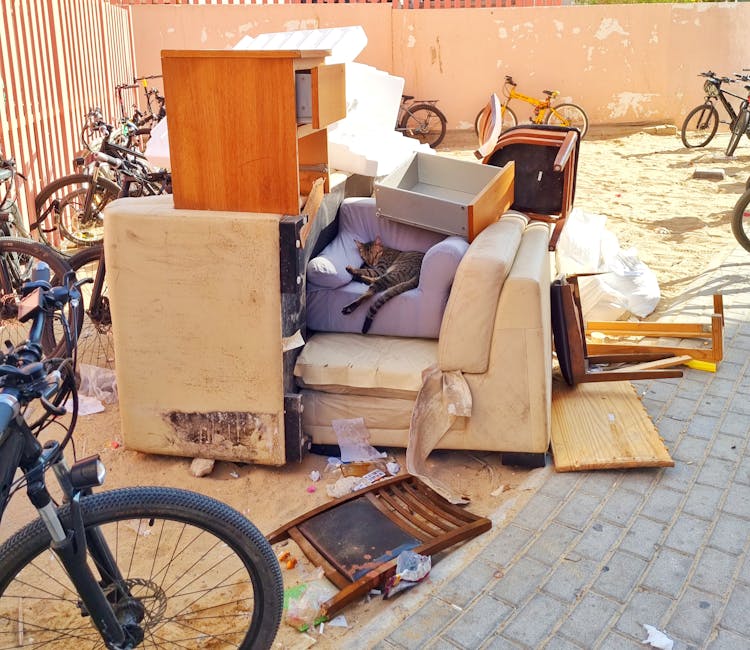
Bulky waste is different from everyday rubbish. A broken chair, a stained sofa, or a dismantled shed is not something you casually tuck into a bin bag and forget about. These items take space, can be awkward to carry, and often need planning around access, lifting, and disposal. In a place like Aldersbrook, where homes, flats, gardens, and shared access routes can vary a lot, the details matter more than people expect.
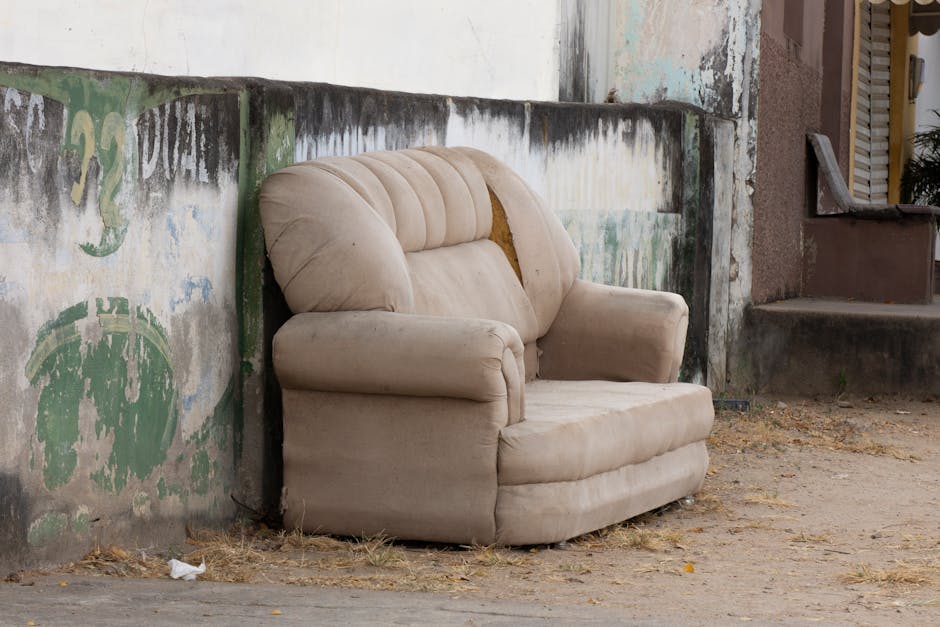
A sofa, for example, can be deceptively difficult. Even a two-seater may be awkward on stairs, sticky in narrow hallways, and heavy in a way that makes you shift your grip every few seconds. A shed is another story altogether. Once it is weathered, filled with old tools, and partly rotted at the base, it becomes a messy dismantling job rather than a simple lift-and-load task.
This is why the topic matters for homeowners, landlords, tenants, and anyone clearing out a property. It is not just about removing an object. It is about reducing risk, protecting the property, and choosing the right disposal route. If the furniture is still usable, there may be reuse or resale options. If it is damaged beyond that, then the priority becomes safe removal and responsible handling.
Practical takeaway: the easier an item looks from the front door, the more likely it is to cause trouble at the staircase, garden gate, or loading point. Plan for the awkward bit first.
There is also a strong local angle. If you are coordinating with a broader move, a clearance, or even a last-minute clean-up, it helps to line up bulky item removal with your other logistics. Pages like house removals in Aldersbrook and flat removals in Aldersbrook can be useful if the bulky waste is part of a bigger transition. Truth be told, the less times you move the same object, the better.
How Bulky Waste Removals in Aldersbrook: Sofa & Shed Tips Works
At a basic level, bulky waste removal follows a simple sequence: assess, prepare, move, load, and dispose. The real skill is in making each stage smoother. A sofa and a shed are useful examples because they show two very different types of challenge. One is a large indoor item with tight access. The other is often an outdoor structure that may need dismantling before it can leave the garden.
For a sofa, the process usually starts with measuring doorways, hallways, stair turns, and any tight corners. If the sofa cannot pass in one piece, it may need to be disassembled. That can mean removing feet, cushions, and sometimes arms or the back section. For a shed, the focus shifts to safe stripping and sorting. Roofing felt, timber panels, screws, nails, and old contents all need to be managed carefully.
Professional removal teams often bring the right vehicle, lifting equipment, and enough hands to do the job efficiently. That matters because bulky waste is rarely just about strength. It is about angles, balance, pacing, and not damaging the wall on the way out. A rushed turn can nick paintwork. A poorly lifted sofa can twist your back. A rotten shed panel can splinter in the wrong place. Not ideal.
If you are choosing between doing it yourself and booking help, think about three things: access, weight, and complexity. If one of those is awkward, the job gets harder fast. If two are awkward, it may be better to hand it over.
For more on handling difficult items safely, the guides on solo heavy object lifting and safe lifting technique are worth a look.
Key Benefits and Practical Advantages
Good bulky waste removal is not only about getting rid of clutter. It can improve safety, free up space, and reduce the stress that tends to hang around when a big item is left "for later". Later, as we know, has a habit of turning into next month.
Here are the main benefits:
- Safer handling: fewer chances of injury from lifting, twisting, or carrying on uneven ground.
- Less property damage: careful removal reduces scuffs, scrapes, and broken fittings.
- Faster clearance: one planned visit is better than multiple attempts with no clear system.
- Better recycling outcomes: some materials can be separated and handled more responsibly.
- Cleaner space: clearing a sofa or shed can instantly change how a room or garden feels.
- Lower mental load: an old bulky item in view can quietly add to day-to-day stress.
There is a practical side people often overlook. Removing one oversized item can make the rest of the property easier to clean, repurpose, or stage for sale. For example, clearing a shed may reveal garden access that was blocked for months. Removing a sofa may open up a living room that suddenly feels larger and easier to use. Small change, big difference.
If you are planning a broader clear-out, you may also find pre-move decluttering advice and organisation tips for a smooth house move genuinely helpful. They fit neatly with the same mindset: clear what you do not need before the heavy lifting starts.
Who This Is For and When It Makes Sense
Bulky waste removal in Aldersbrook makes sense for a lot of people, but especially for those facing an item that is too awkward to handle alone. That could be a family replacing a worn-out sofa, a landlord clearing a left-behind shed, or a tenant preparing a property for inspection. It could also be someone in a flat with limited lift access, a student leaving accommodation, or a homeowner making space after years of accumulated outdoor storage.
It is often a good fit when:
- the item is too large for a regular bin or car boot
- you need the work done quickly
- the item is too heavy or unstable to carry safely
- the waste is mixed with reusable or recyclable materials
- the access route is narrow, steep, or shared
- you want the job completed in one go, not dragged out across a weekend
It is also sensible when the item is already partially broken. A sofa with a damaged frame can collapse mid-move. A shed with rotten panels can fall apart as soon as you try to dismantle it. In those cases, the real work is not transport but control. Control is what keeps the job safe and tidy.
If you are unsure whether your item needs full removal support or just transport help, a quick look at removal services in Aldersbrook or man and van support can help you judge the best route.
Step-by-Step Guidance
Here is a practical approach that works well for sofas, sheds, and most other bulky items. It is not fancy, but it gets the job done.
- Identify the item and the route out. Measure the item and measure the doorways, gates, stairs, and any turns. If it looks tight, it probably is.
- Clear the surrounding space. Move small objects, mats, plants, bins, or hanging items out of the way. A clear path saves a surprising amount of time.
- Empty the item fully. For sofas, remove cushions, blankets, and loose pieces. For sheds, sort the contents into keep, dispose, and recycle piles.
- Disassemble where needed. Remove feet, arms, shelves, roof panels, or side boards if doing so makes the item safer to carry.
- Protect floors and walls. Use blankets, cardboard, or protective wrapping. A single scrape on a fresh wall can sour the whole day.
- Lift with a plan. Use two people where possible, agree the route, and count the lift in. No improvising halfway up the stairs.
- Load securely. Tie items down so they do not shift in transit. Sofas in particular can slip if not wedged properly.
- Separate waste streams if possible. Timber, metal, fabric, and reusable items may need different handling.
- Finish with a quick sweep-up. Look for nails, staples, screws, splinters, and dust. Sheds especially can leave a nasty trail.
A small but helpful detail: take photos before you start. They can help you remember how items were assembled, and they are useful if you need to explain access conditions or quote requirements. It sounds simple. It is simple. And it saves a headache later.
If your bulky item removal is part of a larger move, the article on efficient packing pairs well with this step-by-step approach.
Expert Tips for Better Results
In our experience, the best bulky waste jobs are not the ones with the strongest people. They are the ones with the best preparation. A few small decisions early on can change the whole feel of the job.
- Break down items before the crew arrives. Even removing a sofa's feet can make a big difference.
- Check for hidden hazards. Old sheds sometimes contain rusty nails, broken glass, chemicals, or damp mouldy material.
- Keep a clean landing area. Hallways and door thresholds are where most accidental knocks happen.
- Use the right pair of gloves. Grip matters, especially with rough timber or fabric edges.
- Don't overfill a vehicle. A well-packed load is safer than a rushed, over-stuffed one. Every time.
- Think about reuse first. A sofa in decent shape may be suitable for another home, while shed timber might be salvageable.
One of the most overlooked tips is timing. If you can, schedule the removal when access is quiet. Mid-morning is often easier than early rush hour, and you are less likely to be interrupted by bins, school runs, or neighbours squeezing past with shopping bags. Little things, but they add up.
For items that are particularly awkward, the following resources may also help: why some bulky items should not be self-moved and insurance and safety information. Different item, same principle: don't gamble with weight and awkward angles.
Common Mistakes to Avoid
Most problems with bulky waste removal come from trying to save time in the wrong place. A shortcut that looks clever at 9am can become a very annoying problem by lunchtime.
- Skipping measurements: guessing the sofa will fit is not a strategy.
- Leaving the shed contents inside: this turns a straightforward removal into a messy sort-out.
- Ignoring dismantling needs: some items are meant to come apart before they go out.
- Underestimating weight: weathered timber, old frames, and wet materials can be heavier than expected.
- Using weak lifting positions: bending badly or twisting under load is where injuries happen.
- Forgetting disposal rules: not all materials should go into the same pile.
- Starting without a clear path: boxes, shoes, plant pots, and cable leads are classic trip hazards.
Another common issue is optimism about the weather. A dry shed on a bright morning can become slippery the moment drizzle starts. In British conditions, that really does happen. If you are planning an outdoor dismantle, have a tarpaulin or waterproof cover ready just in case. A five-minute shower can derail a tidy plan.
And yes, people still try to drag sofas through narrow gaps without checking the hinges first. The sofa always wins that contest.
Tools, Resources and Recommendations
You do not need a warehouse full of equipment to deal with bulky waste, but having a few basic tools makes a huge difference. The right kit reduces strain and keeps items under control.
| Tool or Resource | What It Helps With | Best Use Case |
|---|---|---|
| Work gloves | Grip and hand protection | Rusty shed timber, rough fabric, loose staples |
| Protective blankets | Wall and floor protection | Narrow hallways, stair turns, door frames |
| Screwdriver or drill | Quick dismantling | Removing sofa feet, shed panels, fixings |
| Straps or rope | Securing loads | Transporting bulky items safely in a van |
| Tarp or plastic sheeting | Weather protection | Outdoor jobs and damp materials |
| Sorting bags or boxes | Separating contents | Shed clear-outs, mixed household waste |
Useful service pages include removal van options if you need transport only, and pricing and quotes if you want to compare the likely level of support before booking. If you also have boxed items or small furniture to move, packing and boxes in Aldersbrook may be useful alongside the bulky item removal.
If the item is being kept for later rather than removed, you might also look at storage in Aldersbrook. That is especially handy for furniture you are not ready to part with yet.
Law, Compliance, Standards, or Best Practice
For bulky waste removals, the main thing is to handle disposal responsibly and avoid leaving waste where it should not be. In the UK, households generally need to be careful that waste is passed to a legitimate carrier or disposed of via an appropriate route. You do not need to become a legal expert to act sensibly, but you do need to be cautious about who is taking the waste and where it goes.
Best practice usually means:
- checking that the removal method suits the type of waste
- separating reusable, recyclable, and general waste where practical
- keeping materials secure during transport
- avoiding unsafe lifting or dismantling methods
- using a service that explains how it handles waste responsibly
For more reassurance around service standards and responsible working, it can help to review pages such as health and safety policy, terms and conditions, and privacy policy. Those pages do not remove the need for common sense, of course, but they do give you a clearer picture of how a service is run.
There is also a sustainability angle worth thinking about. If an old sofa can be reused or its materials separated, that is preferable to simply treating everything as general waste. The same goes for shed timber and metal fittings. Small decisions matter here.
Options, Methods, or Comparison Table
There is no single best method for every bulky item. The right option depends on the item's condition, the access available, and how quickly you need it gone.
| Option | Best For | Pros | Trade-Offs |
|---|---|---|---|
| DIY removal | Small, manageable items | Lower upfront cost, flexible timing | Higher physical effort, more risk, more time |
| Man and van support | Single bulky items or mixed loads | Good balance of help and flexibility | Still requires clear preparation from the customer |
| Full removal service | Large, awkward, or multiple items | More handling support, smoother logistics | Usually the most hands-off option, but may cost more |
| Storage first | Items not ready to discard | Lets you defer the decision | Does not solve the clutter immediately |
A lot of people assume DIY is always cheaper. Sometimes it is. But if you need to hire a van, buy protective materials, recruit help, and still risk damage or injury, the saving can shrink fast. On the other hand, if the item is small and easy to access, doing it yourself can be perfectly sensible. The right call depends on the situation, not pride.
If you are choosing between service levels, the overview at services overview and the local page for removal companies in Aldersbrook can help you compare your options in a more grounded way.
Case Study or Real-World Example
Imagine a typical Aldersbrook property with a tired three-seater sofa in the lounge and a small timber shed at the end of the garden. The sofa has a fixed frame, a narrow hallway to pass through, and a turn at the bottom of the stairs. The shed is half empty, but there are still old tools, a broken shelf, and a few bags of garden waste inside.
The smoothest approach would be to sort the shed first. Why? Because the shed contents can be separated into recyclable bits, general waste, and items to keep. Once that is cleared, the structure itself becomes easier to dismantle. The sofa should then be measured and checked against the hallway width, with cushions and feet removed before moving day. If the back of the sofa is wide, it may need a side-on move or partial disassembly.
What tends to make the difference is sequencing. If the sofa is moved first, the hallway remains cluttered while the shed still waits in the garden. If the shed is stripped first, you may free up space for loading and reduce the total mess. It is a small planning choice, but it helps the whole day feel calmer. Nobody wants to be tripping over cushions while carrying a damp shed panel, honestly.
This is also where a little local coordination helps. If parking is tight or access is limited, the article on best truck routes and parking in Aldersbrook can be useful context before booking a collection.
Practical Checklist
Use this checklist before your bulky waste collection or removal appointment. It keeps things simple.
- Measure the sofa, shed, and route out of the property
- Confirm whether dismantling is needed
- Empty the shed completely before any removal begins
- Remove loose cushions, feet, shelves, or fixings where practical
- Clear the access route inside and outside the property
- Protect floors, door frames, and corners
- Separate reusable items from true waste
- Check weather conditions for outdoor work
- Make sure loading space is ready
- Have gloves, bags, straps, and tools to hand
- Choose a safe lifting plan and stick to it
- Confirm the disposal route and any service details in advance
If you want help organising the wider move or clear-out around the bulky item, moving-day cleaning tips and bed and mattress moving advice can round out the plan nicely.
Conclusion
Bulky waste removals in Aldersbrook do not have to be stressful, even when the job involves a stubborn sofa or a weather-beaten shed. With the right preparation, a clear route, and a sensible choice between DIY and professional help, the process becomes much more manageable. The biggest wins usually come from simple things: measure first, clear space, dismantle when needed, and do not underestimate how awkward one heavy item can be.
For many people, the best outcome is not just getting rid of the item. It is that slightly satisfying moment when the room, garden, or hallway feels lighter and easier to use. That's the real payoff, to be fair.
Get a free quote today and see how much you can save.
If you are ready to take the next step, start with a quick conversation through our contact page or learn more about the team on the about us page. A short chat now can save a lot of lifting later.
Frequently Asked Questions
What counts as bulky waste in Aldersbrook?
Bulky waste usually means large household items that are too big or awkward for regular bin collection, such as sofas, wardrobes, mattresses, cabinets, or shed parts. The exact handling depends on size, weight, and what the item is made from.
Can I remove an old sofa myself?
Sometimes, yes. If the sofa is light, the route is wide, and you have help, it may be manageable. But once stairs, narrow halls, or fixed frames are involved, the risk goes up quickly. A professional removal option is often the safer choice.
Do I need to dismantle a shed before removal?
Often, yes. Small sheds may be moved in sections, but most need dismantling first. That usually includes removing contents, unscrewing panels, and taking the structure apart in a controlled order.
How do I prepare a sofa for collection?
Remove cushions, blankets, and any loose items first. Then measure the sofa, check doorways, and remove feet or detachable sections if needed. It also helps to protect floors and clear the route out before moving starts.
What should I do with the contents of a shed?
Sort everything into three groups: keep, recycle, and dispose. Old tools, paint, chemicals, and broken materials should be treated carefully. If you are unsure about anything, set it aside and handle it separately rather than rushing.
Is bulky waste removal the same as furniture removal?
Not exactly. Furniture removal usually focuses on items like sofas, beds, tables, and wardrobes. Bulky waste removal is broader and can include broken furniture, shed parts, outdoor items, and mixed clear-out material.
How much preparation should I do before the removal team arrives?
As much as reasonably possible. Clear pathways, empty the item, and make the item accessible. The smoother the prep, the faster and safer the job tends to be.
Can bulky waste be recycled?
Sometimes, yes. It depends on the material and condition. Wood, metal, fabric, and some reusable furniture can often be separated. Responsible handling is always better than assuming everything is general waste.
What if my sofa will not fit through the door?
That is common. The sofa may need feet removed, cushions taken off, or partial dismantling. If it still will not fit, the item may need to be moved out through another route or handled by a team with the right equipment and experience.
When is the best time to book bulky waste removal?
As soon as you know the item needs to go. If the job is tied to a move, end of tenancy, or garden project, booking early gives you more flexibility. For urgent situations, same-day support may be possible depending on availability, so it is worth asking.
Is it worth keeping an old sofa or shed parts in storage?
Only if the item still has a real use or value. If you are unsure, storage can buy time, but it should not become a hiding place for clutter. If the item is unlikely to be used again, removal is usually the cleaner answer.
How do I choose between a van-only service and full removal help?
If the item is already prepared and easy to load, van-only support may be enough. If the item is heavy, awkward, or needs dismantling, full removal help is usually the more practical option. Think about the whole job, not just the transport part.